Homesteading on a Budget
Social media paints a picture that homesteading is acres of pristine land, rustic barns, and rows of perfectly aligned garden beds filled with produce. Everything is tended to by state-of-the-art machinery, and done in expensive farm dresses. But where does that leave those of us without endless streams of income to pour into our dream life? Do we have to give up on the good life? Nope. This is where homesteading on a budget comes in, and it’s totally possible to build a fruitful homestead without going into debt.
So, if your heart longs for a more intentional life, but your budget can’t handle THAT much dreaming, take heart. You can start right where you are. Whether you live on one acre or in a suburban backyard, you can take small steps to start homesteading on a budget.
Let’s walk through a few ways that my family has enjoyed the homestead life without going into debt.

Start with What You Have
Homesteading on a budget? The best place to begin is with what you already have at your disposal.
Maybe that means you tend to a few pots of herbs on your porch, a small raised bed in the backyard, or repurposing materials to make chicken tractors and rabbit hutches. This is a tactic that we use often at my homestead, check out the photo below to see our makeshift pig pen.
Look around and see what things you already have to make your dreams come true. Remember, a willingness to use what you have trains your brain to be resourceful. And, in the end…the chicken tractor made from scrap lumber works just as great as the picture-perfect one.
Application:
Before buying something new, pause and ask, “Do I already have something that can work?” Most of the time, you do.

Set Clear Goals and Intentions
When I first started homesteading in 2020, I wanted to do everything at once. Chickens, gardens, dairy goats, herb gardens, fruit trees, you name it..I had grandeur plans for how I was going to make it happen. But, if you’re homesteading on a budget you need a clear plan, and that plan often includes doing things in stages.
Take time to set goals and define your homestead’s purpose:
- What do you want your homestead to give your family? (Food, knowledge, income, etc.)
- What can you realistically manage this year with the budget (and time) you have?
- Which projects will bless your family most in this season?
Then, filter your wish list by those top priorities. For example, if I want my homestead to give my family food, but I’m juggling a full-time job and homeschooling, I may want to hold off on more involved projects. When you know your “why,” it’s easier to resist those things that won’t serve you and stay focused on what matters most.
When you know your “why,” it’s easier to resist shiny-object syndrome and stay focused on what matters most.
Application:
Start small and grow slow. Weigh the cost of each project, not just fiscally, but in the compensation of time. Remmeber, two or three focused goals per season are more sustainable and affordable then ten half-done wishlist items.
Create (and Stick to) a Budget
Not surprisngly, homesteading on a budget, starts with actually having a set budget. This might sound elementary, but mapping out your finances ensures you reach your goals without making them a burden to your family.
Here’s a simple rhythm that works for us:
- Track your income and basic expenses.
- Set aside a small monthly “homestead fund,” even $10 here and there adds up.
- List your top priorities. Example: seeds, fencing, animals, repairing buildings, etc.
- Avoid impulse buys. Take a moment to “sleep” on purchases…even great deals.
And most importantly, stay out of debt. Trust me, I know how hard it is when it seems like everyone is moving at a faster pace than you. I’ve cried a few tears when the comparison monster came knocking! Paying cash may slow you down in the short run, but it protects your peace permanently. There’s no joy in building your perfect homestead if it costs you sleepless nights and stress.
Application:
Pray over your finances. God provides in unexpected ways and cares about the desires of your heart I’ve seen it happen over and over again in my own life, from free rabbits to extra eggs.
Cook from Scratch
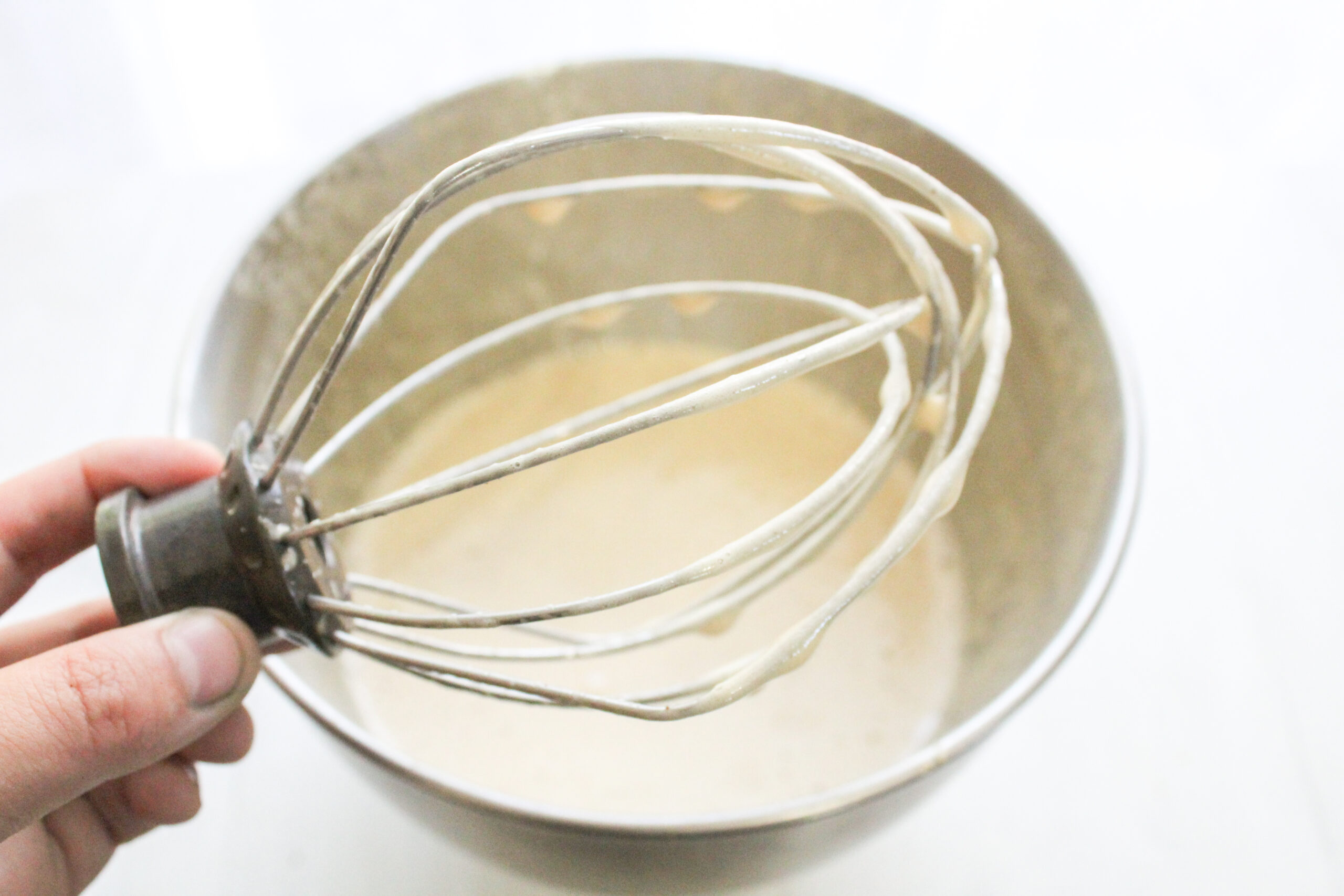
One of my favorite ways to stretch dollars is to cook from scratch. It’s so fun, saves money, reduces waste, and gives you the confidence to create something from mere ingredients.
New to cooking from scratch? Start with something small like homemade salad dressing or granola. Try making one new item each month, then as you grow your homestead, incorporate your own herbs, produce, farm-raised meat, and eggs in your recipes.
Seriously, cooking from scratch is a pillar of homesteading on a budget. It’s one of the best places to see a tangible boost in savings quickly. And, trust me, you won’t miss processed food.
Application:
Plan your meals around what’s in season or on sale. This is an old-fashioned tidbit of wisdom that still works beautifully.
Learn Skills from Others
One of my favorite things about the homesteading community is that you don’t have to learn everything the hard way. Homesteaders are some of the most supportive, loving, kind, and generous people out there who genuinely want to see other folks win!
And, if you’re homesteading on a budget, connecting with others can save you time, money, and a lot of frustration. So, learn from those who have been there. Local homesteaders, community workshops, YouTube mentors and Facebook groups. Recently, we purchased pigs from a sweet couple who offered to teach us how to butcher!
If you don’t have a community, don’t underestimate online groups or co-ops. As I said, YouTube and Facebook groups are filled with these same goodhearted geniuses. And, if all else fails, your local library probably has a good resource or two.
Application:
Don’t be scared to ask questions and get out there! Make new friends, remember there’s no such thing as a dumb question, and get to it.
Focus on High-Return Ventures First
While your homestead may not be a business, some business principles are key to making things work. When every dollar counts, choose projects that give you the best return. For me, these are the things that reduce my grocery costs and/or generate a small income.
Need ideas? Try this;
- Egg-laying chickens: Inexpensive to start, great food source (protein!), and if all else fails, the soup pot is always open.
- Herb gardens: Do double-duty if using for remedies and food. Easy to grow, and a quick win.
- Rabbits: Small, inexpensive (especially if you place in a tractor and let roam), fun for kids.
- Sourdough: Endless possibilities, zero-waste if you use the discard, boosts gut health.
- Feeder pigs: Reduces waste around the homestead, great for beginners, high-yield of meat.
Start with one or two of these ideas and expand later.
Application:
Always think in terms of what’s going to bless your family most in this moment. Eggs, better bread, remedies, bacon (!!), and let that guide your next step.
Buy Used
It’s no secret that the price of everything has gone up. While this can be discouraging at times, it also provides the best treasure hunt ever…buying used. Create a running wish list of things you’d like for the farm: Cast iron pans, canning pots, grow lights, shelving for a pantry, garden tools, buckets, etc.
Then, check Facebook Marketplace, local auctions, thrift stores, and my favorite, estate sales to start your collection. Most of what you need doesn’t have to be brand new, it just has to work. A lot of the items we have around the homestead are used, and the end result is always the same. 🙂
Another way to get what you need on the cheap is to barter. I personally haven’t done much of this, but I’ve seen many people trade eggs for produce, sourdough starter for feed, and handmade soap for garden help. This is one of my goals for the upcoming year, so if anyone wants to start an over-the-mail barter…send me a message.
Application:
Before buying retail, see if you can borrow, trade, or thrift it. This will stretch your budget and many times allow you to get something better than if you bought it new.
Consider a Side Gig
Sometimes, the most responsible choice for homesteading on a budget is to earn a little extra on the side. And there’s totally no shame in that…it’s simply being wise in your current season.
I’ve been freelancing for 10 years and love the flexibility it affords my family as well as the income boost to make our dreams come true.
There are so many family-friendly options like:
- Freelance writing, photography, or virtual assistant work.
- Selling homemade goods at the farmers’ market.
- Teaching classes on what skills you already have, like sourdough, canning, etc.
- Starting a blog and creating digital products to sell.
- Affiliate marketing.
The key with side gigs is that you don’t want to overload yourself, so honor the season you’re in. Remember, God doesn’t need your hustle to move. He’s got you.
Application:
Pray over every single opportunity and pray big. God’s provision is always on time.
Make the Most of What You Have
Hot tip: Efficiency matters just as much as frugality. Your time and energy cost something and every minute, tool, and square foot of land can work harder for you if you steward it well.
Evalute what’s already in your home and on your land. Ask yourself:
- How can I repurpose or repair something to get the result I want?
- Can this tool serve more than one purpose?
- Is there a simpler way to get the same result?
If you’re willing to lay down a bit of aestheticism, five-gallon buckets can become planters, feed bins, or compost collectors. My husband uses them for everything! Pallets are another unicorn item…turn them into raised beds or animal shelters. Plus, you can often get them for free from businesses.
Don’t forget to also budget your time. Create small daily and weekly homestead rhythms like meal prepping, feeding animals, and garden tending to make your work steady. Consistency is the key to progress, even when you don’t have a lot of money to invest.
Application:
Use what you have, maintain what you own, and work with what’s in front of you. This is how your “little” becomes more than enough.
Trust God with the Process
From the very start, my homestead hasn’t just been about growing food, it’s been about growing faith. From the moment we began closing on our home, we’ve had to commit our plans to the Lord, let Him direct us and watch as He provided in creative ways.
You may feel like your budget isn’t enough, but when you serve the God who owns a thousand cattle on the hill, He fills in your gaps.
“Commit to the Lord whatever you do, and He will establish your plans.” — Proverbs 16:3
The dreams in your heart matter to the Lord. Trust in Him and watch as He brings each good thing to pass.
Final Thoughts
Is homesteading on a budget possible? Absolutely. And, more than that, it’s powerful. It builds character, teaches you to trust God and the abilities He gave you, and to slow down.
You don’t need fancy tools or an endless budget. You need grit, patience, faith, and a willingness to get your hands dirty. So, begin with what you have, learn as you go, don’t be afraid to fail, and celebrate each little victory.
The dream planted in your heart has already taken root, now it’s time to get out there and make it happen.
Budget-Friendly Homesteading Resources
If you’re ready to start homesteading on a budget but aren’t sure what tools to invest in first, I’ve got you covered! I put together a full list with affordable, reliable homestead essentials… everything from garden tools and fencing supplies to canning gear and small livestock must-haves.
These are the same types of items we use on our own homestead. They’re practical, long-lasting, and budget-conscious. Whether you’re just getting started or upgrading what you already have, this list will help you stretch every dollar and still make real progress.